About Aster Plant
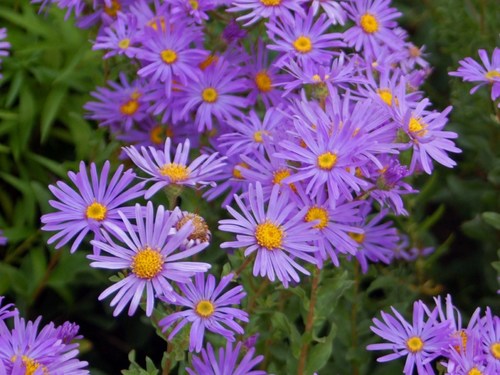
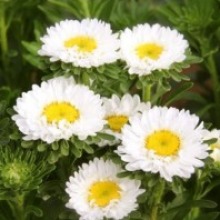
Asters get their name from the Latin word for "star," and their flowers are indeed the superstars of the fall garden. Some types of this native plant can reach up to 6 feet with flowers in white and pinks but also, perhaps most strikingly, in rich purples and showy lavenders. Not all asters are fall bloomers. Extend the season by growing some of the summer bloomers, as well. Some are naturally compact; tall types that grow more than 2 feet tall benefit from staking or an early-season pinching or cutting back by about one-third in July or so to keep the plant more compact. Aster is a genus of flowering plants in the family Asteraceae. Its circumscription has been narrowed, and it now encompasses around 180 species, all but one of which are restricted to Eurasia; many species formerly in Aster are now in other genera of the tribe Astereae. Lush Blooms for Every SettingAsters showcase vivid purple flowers that create an enchanting look in outdoor gardens or potted arrangements. Their fast growth and extended blooming season make them a favorite for landscapers and home gardeners alike, enriching spaces with color and charm from late summer to fall.
Simple Care, Exquisite ResultsWith moderate watering and preference for well-drained, loamy soil, Asters demand minimal effort while delivering maximum visual appeal. Their adaptability to both sun and partial shade, as well as suitability for various pot types, ensures successful cultivation even for plant enthusiasts with limited experience.
FAQs of Aster Plant:
Q: How should I plant Aster flowers for optimal growth and flowering?
A: To achieve optimal growth, plant Aster flowers in well-drained, loamy soil with access to full sun or partial shade. Ensure the location is outdoors and use either plastic or clay pots if grown in containers. Water moderately and provide enough space for the mature plant height (3090 cm).
Q: What is the recommended watering process for Asters in containers and gardens?
A: Asters need moderate wateringensure the soil remains moist but not soggy. In gardens, water when the top layer of soil dries. For containers, check drainage holes to prevent waterlogging and water more frequently during hot spells, especially when plants are blooming.
Q: When do Aster plants typically bloom, and how long does the flowering last?
A: Aster plants usually bloom in late summer and continue through the fall. Their vibrant purple flowers provide an extensive display during these months, offering up to several weeks of consistent color and beauty in your garden or pots.
Q: Where are Aster plants best suited for planting?
A: Asters are perfect for outdoor gardens, borders, and containers. Thanks to their adaptable nature and eye-catching blooms, they are ideal for patios, balconies, and any sunny or partially shaded outdoor areas.
Q: What are the specific benefits of choosing Asters for outdoor spaces?
A: Asters enhance outdoor spaces by attracting pollinators like bees and butterflies, while their long-lasting purple blooms add seasonal color. Their rapid growth and easy care make them perfect for freshening up gardens or patios with minimal effort.
Q: How can Asters be used in landscape design or floral arrangements?
A: Asters are ideal for garden borders, mixed beds, and as container highlights. With stem lengths of 3050 cm, their flowers can also be cut and arranged in vases, providing vibrant, long-lasting color for indoor displays.










 Send Inquiry

 Send Inquiry